Your cart is empty



This animation introduces the organ systems of the human body.

The ear converts the vibrations of air into electric signals which are then processed by the brain.

Large carnivores, perhaps the best known of dinosaurs.

Capsaicin is the substance responsible for the spicy heat of chilli peppers.

If someone is moving clumsily, we often say he or she has two left feet. But what does our left side have to do with being clumsy?
This lesson presents the harmful effects of addictions on the human body.

People often spend up to 8–9 hours sitting each day; therefore, it is extremely important to learn the correct sitting posture.

Emergencies can happen anywhere, so it is important to know how to provide basic life support care.

In this lesson, you will learn about one of the most beautiful and largest natural formations on Earth.

Photosynthesis occurs in chloroplasts and is a vital process for life on Earth.

In this lesson, you can compare the engines of cars and the human heart.

The medicinal leech is a blood-sucking annelid that has adapted to its way of life through its specialised body structure.

The saguaro is one of the tallest and best-known cactus species in the world. It is also the official state symbol of Arizona.

Learn about the location, flora and fauna of the savannahs.

In this lesson you will find information about the discovery and classification of vitamins as well as about illnesses caused by vitamin deficiency.

The lesson introduces you to the features of Tyrannosaurus rex.
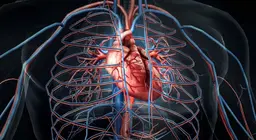
This lesson presents the structure and functioning of the heart and how it can be protected.

A lesson about gardens, plants and their organs.

A lesson about the benefits and limitations of genetic engineering.
Simple, straightforward information about the coronavirus epidemic.

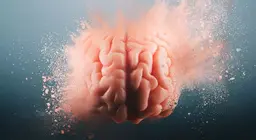
Learn interesting facts about the structure and function of the human brain.
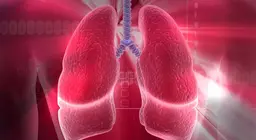
You can learn a few interesting facts about the human respiratory system.