Your cart is empty

Total: 2901
/
2901
How many minutes of running uses up the energy that a chocolate bar gives you?
In this lesson, you can learn about the famous Russian writer.
In this lesson, you will learn about the history of food in art and the Surrealist movement.
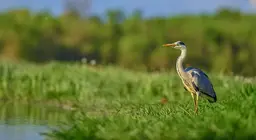
Make observations about aquatic and waterfront species.
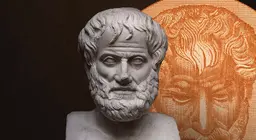
Learn about the work of Aristotle and the tremendous impact he had on the development of science.
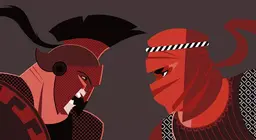
Learn about the background, key events, belligerents, and aftermath of the Greco-Persian wars.

How to interpret and quantify density and frequency?
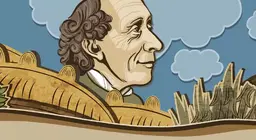
Learn about the life and work of Hans Christian Andersen.
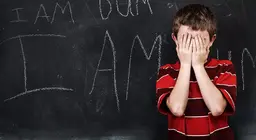
Learn about Bradley, a boy who proves that you can get rid of the negative labels put on you with the help of a supportive friend.
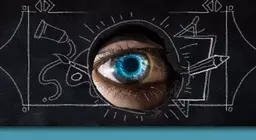
Learn how to depict emotions through the representation of the human eye in painting.
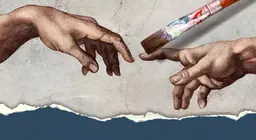
Learn about the most important artists of the Renaissance and their influential works of art.
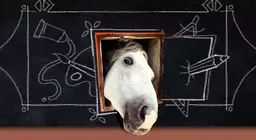
A lesson about the purpose and methods of representing animals in various art styles.
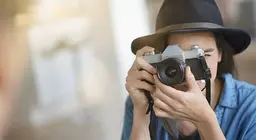
Learn about the technical background of photography to take really good photos.
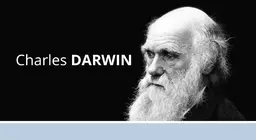
In this lesson, you will learn about the life and work of the distinguished naturalist, Charles Darwin.
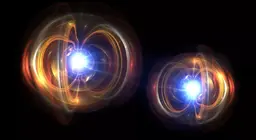
Quantum mechanics has completely changed our knowledge about matter and the functioning of the world.
In this lesson, you can perform experiments and make observations about the flora and fauna of forests.
In this lesson, you will make observations about the flora and fauna of plains.
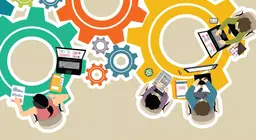
Let's discover the various sectors of economy.
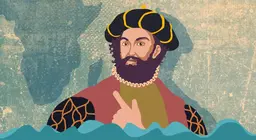
Learn about Vasco da Gama, one of the legendary explorers of the Age of Discovery.
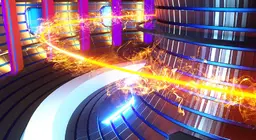
The most intense processes of energy production are based on the phenomenon of nuclear fusion.

Learn about the interesting and colourful history of money.

Learn about the physical and social geography of Canada.