Jūsų pirkinių krepšelis tuščias


Iš viso: 2029
/
11177

A mosquito-borne illness caused by a single-celled microorganism.
Šioje pamokoje sužinosite apie kurmį – naudingą plėšrų žinduolį, kuris dažnai laikomas kenkėju.

The castor bean tick is a parasite that feeds on the blood of most mammals, including humans, and transmits several diseases, including the Lyme disease.

Ši pamoka padės išsamiau sužinoti apie save ir savo klasės draugus.

A giant hornet species native to East Asia, first detected in North America in 2019.

This 3D scene presents Titanis walleri, one of the largest species in the genus of 'terror birds'.

Get a glimpse into the life of termites and the structure of a termite mound.

An evergreen bush or tree, the fruit of which is the source of olive oil.

The brown rat is a rodent species that is widespread throughout the world.

Sužinokite apie žavingą pasaulyje žinomo Vengrijos gydytojo ir biochemiko gyvenimą.

An annual plant cultivated for its seeds and the alkaloid content of the seed pods.

A species of coral native to the Mediterranean Sea. Its bright red calcareous skeleton has been a prized commodity since the last glacial period.

The Japanese sago palm is one of the best-known species of the genus Cycas.

The European river lamprey is a migratory species of jawless fish that feeds on the body fluids of other fish.

Tunicates are chordates, more closely related to vertebrates than invertebrates.

Plants are composed of various meristematic and permanent tissues.

The Maltese rock-centaury is the national plant of Malta.
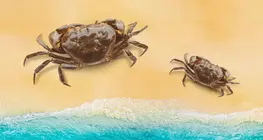
Learn about endemic, extinct and endangered species.

The Maltese wall lizard (Podarcis filfolensis) is a lizard species native to the Maltese Islands.

Baltymai yra jautrūs aplinkos pokyčiams. Šiame vaizdo įraše mes parodome, kaip lengva modifikuoti jų molekulinę konfigūraciją.

Typical plant and animal cells exhibit a number of similarities and differences.