Jūsu grozs ir tukšs


Kopā: 2036
/
11211

Ūdeņu tuvumā veģetācija ir zaļāka un bagātīgāka nekā ezeru vidienē.

Piekrastē vides apstākļi un līdz ar to veģetācija ir savādāka nekā ūdenī.
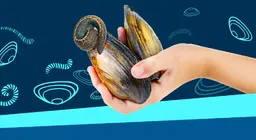
Saldūdens ūdenstilpju dzīlēs mīt milzum daudz dzīvnieku sugu, jo te ir daudz barības un vietu, kur paslēpties.
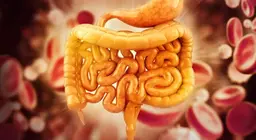
Interesanti fakti par jūsu kuņģa-zarnu traktu.


Nodarbība par ezeros, upēs un strautos, kā arī to piekrastē sastopamajiem mikroorganismiem.

Vairums putnu mīt koku un krūmu lapotnē: šajā nodarbībā iepazīsiet dižraibo dzeni un lielo zīlīti.
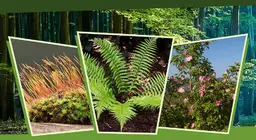
Šajā nodarbībā uzzināsiet par krūmāju augiem, stiebraugiem un sūnaugiem, kas sastopami lapu koku mežos.

Tulpes ir populāri košumaugi. Šajā nodarbībā uzzināsiet vairāk par šiem daiļajiem ziediem.

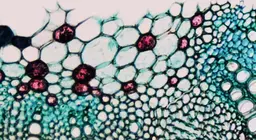
Kāda ir lakstaugu audu uzbūve un īpašības?

A common hare species found in most temperate regions of the world.

The polar bear is a large land carnivore that inhabits the Arctic.

The most common species of sea urchin in the Mediterranean Sea and eastern Atlantic Ocean.
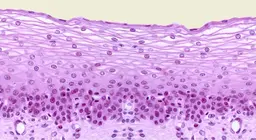
Nodarbība par cilvēka epitēlija uzbūvi, lomu, nozīmīgumu un aizsargfunkcijām.
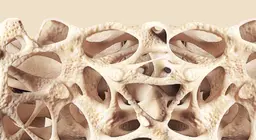
Nodarbība par saistaudu uzbūvi, veidiem, lomu un aizsargfunkcijām.

A large, spectacular aquatic plant that is an important symbol in various Asian cultures.

The cotton plant is cultivated for one of the most important raw materials of the textile industry.

A herbaceous plant that produces one of the best-known tropical fruits.

In the disciplines dealing with the human body, it is extremely important to precisely specify the planes, axes and directions.

The popular caffeinated drink is prepared from the seed of a plant produced along the Equator.

The digestive system is responsible for separating the nutrients and unusable materials in the food we eat.
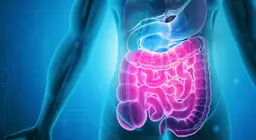
Learn about the middle and final sections of the digestive system.

The raw material of chocolate, cocoa powder and cocoa butter is provided by a tropical plant.