Jūsu grozs ir tukšs


Kopā: 2036
/
11211

In this lesson, you can learn how contraception, acting responsibly, and mutual respect are related.

This lesson helps you understand the importance of personal hygiene and its effect on one's mental state.

In this lesson, you can learn about the advantages of condoms and why prevention is important during sexual intercourse.

In this lesson, you can learn what you can do to help create a sustainable environment.

With the help of this lesson, you can understand why it is important to make decisions that protect the future.

This lesson helps you understand how waste affects the environment and your everyday life.

The effects of excessive phone use on our posture

In this lesson, you can read about how addiction develops and the warning signs that may indicate it.

The functioning of the human body and a car is similar: both use an external energy source whose energy is transformed by internal processes into the energy required for operation.
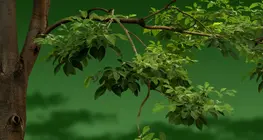
Trees can reduce the temperature of their surroundings through shading and evaporation. This natural, energy-efficient cooling power can be as effective as air conditioning.

Az emberi látás néhány érdekességét mutatja be ez a tananyag.

Viruses consist of protein and DNA or RNA; they reprogram infected cells to produce more viruses.

Subterranean rodents widespread in Central- and Eastern Europe.

Pollen serves to fertilise the egg of plants. Pollen grains come in a variety of shapes and sizes, characteristic of the species.

An acyl-carrier coenzyme taking part in both anabolic and catabolic processes.

This animation demonstrates birds' bones and eggs through the example of the common blackbird.


The characteristic colours of the common kingfisher aid the bird in catching its prey.


Based on their life cycle, insects can be grouped into three categories: ametabolous, hemimetabolous or holometabolous insects.

Extinct species of fish which had thick ´armour´ protecting the head.

Living fossil, important stage in the evolution of tetrapods.

A prehistoric amphibian and an early representative of the Tetrapods, which became extinct 360 million years ago.

Large, extinct species of cats named after the shape of their large canine teeth.